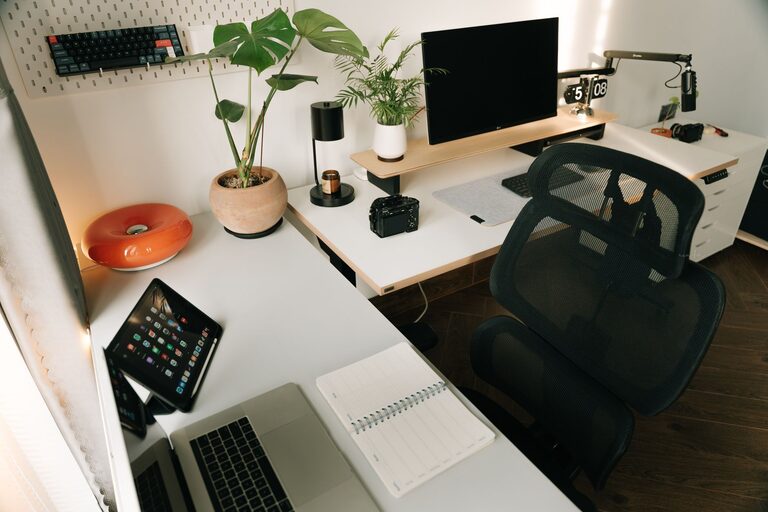
A home workspace should help you feel focused without making you feel tense. Whether you work from home, study, manage household tasks, or enjoy creative hobbies, the right environment can make everyday activities more comfortable.
Creating a relaxing workspace does not require a large room or an expensive makeover. Small changes to your surroundings, furniture, lighting, and daily habits can make a noticeable difference. The goal is to create a space that feels calm, practical, and welcoming.
Choose the Right Location
The location of your workspace can affect how comfortable and focused you feel. If possible, choose an area with enough room for your desk, chair, and essential supplies.
A quiet corner of a bedroom, living room, or spare room can work well. You do not need a separate office, but try to select a spot that is not directly in the middle of household activity.
Consider these factors when choosing a location:
– Natural light from a nearby window
– Distance from noisy appliances or busy walkways
– Enough space to move your chair comfortably
– Access to power outlets
– A background that feels pleasant and uncluttered
If your workspace must share a room, use a small bookshelf, curtain, rug, or folding screen to create a visual boundary. Even a simple separation can help the area feel more intentional.
Pick Comfortable, Supportive Furniture
Comfort is one of the most important parts of a relaxing workspace. A desk and chair should support your daily routine rather than force you to adjust your body around them.
Choose a desk with enough room for your computer, notebook, lighting, and other regular items. A surface that is too small can quickly feel crowded, while an oversized desk may take up more space than necessary.
Your chair should allow you to sit comfortably with your feet resting on the floor. Your knees should be at a natural angle, and your shoulders should feel relaxed while you work. If your chair does not provide enough support, add a cushion or a small pillow for extra comfort.
A monitor or laptop should be positioned so you can view it without constantly bending your neck. A laptop stand, monitor riser, or stack of sturdy books can help raise the screen to a more comfortable height.
Keep the Setup Simple
A relaxing workspace does not need to be filled with special equipment. Start with the basics:
– A stable desk
– A comfortable chair
– A suitable light source
– A way to organize cables
– Storage for frequently used supplies
Once these essentials are in place, add other items only when they serve a clear purpose.
Use Lighting to Create a Calm Mood
Lighting can change the entire atmosphere of a workspace. Harsh overhead lights may make the area feel cold, while dim lighting can make it difficult to read or work comfortably.
Whenever possible, place your desk near a window. Natural light can make the space feel brighter and more open. Position the desk so sunlight does not create glare on your screen.
For cloudy days or evening work, use a desk lamp with a soft, comfortable glow. A lamp with an adjustable shade lets you direct light where you need it. Warm or neutral bulbs can create a relaxed feeling, while brighter bulbs may be useful for detailed tasks.
Try using more than one light source. A combination of overhead lighting, a desk lamp, and soft background lighting can reduce strong shadows and make the room feel balanced.
Reduce Visual Clutter
A cluttered desk can make it harder to settle into a task. You do not need to keep the entire room perfectly organized, but your main work surface should be easy to use.
Begin by removing items that do not belong in the workspace. Then group similar supplies together. Pens can go in one container, papers in a file holder, and cables in a small organizer.
Use vertical space when the desk is small. Wall shelves, pegboards, and simple storage boxes can keep supplies nearby without covering the work surface.
At the end of each day, take a few minutes to reset the area. Put away loose papers, return supplies to their places, and clear any cups or dishes. This small habit makes it easier to begin the next day in a calm environment.
Try the One Touch Rule
When handling an item, try to put it in its proper place instead of moving it from one pile to another. This approach can prevent clutter from building up and makes tidying faster.
Add Natural and Personal Details
Personal touches can make a workspace feel more inviting. Choose items that create a sense of calm without becoming distractions.
A small plant, vase of flowers, or bowl of natural materials can add color and texture. If you prefer low-maintenance decor, consider a small artificial plant or a framed nature print.
You can also include:
– A favorite photograph
– A simple piece of artwork
– A comfortable throw
– A small clock
– A pleasant desk mat
– A notebook for ideas
Choose colors that help you feel at ease. Soft neutrals, gentle greens, warm wood tones, and muted blues often create a calm impression. You can add brighter colors through small accessories if you want the room to feel more energetic.
Control Noise and Distractions
Noise can make a workspace feel unsettled, especially in a busy home. If you cannot move to a quieter location, look for simple ways to reduce interruptions.
Close the door when possible, use a room divider, or let others know when you need focused time. Keep your phone outside your immediate reach if notifications tend to interrupt you.
Soft furnishings can also help reduce echoes. A rug, curtains, cushions, or upholstered chair may make the room feel quieter and more comfortable.
If background sound helps you concentrate, choose something gentle and consistent, such as low-volume instrumental music or natural sounds. Keep the volume low enough that it does not compete with your work.
Create a Flexible Workspace
Your needs may change throughout the day. A flexible workspace can support focused work, reading, planning, and short breaks without requiring a complete rearrangement.
Keep a small clear area for writing or reviewing papers. If you use a laptop, consider a setup that allows you to move between sitting and standing occasionally. A compact side table can provide space for a drink, notebook, or reading material without crowding your main desk.
Store less frequently used items nearby but out of the way. This keeps essential supplies accessible while preserving an open surface.
Build Relaxing Daily Habits
A peaceful workspace is not only about decor. Your habits also shape how the space feels.
Start work by opening a window, making a drink, or reviewing a short task list. These simple actions can signal that it is time to begin. During longer sessions, take brief breaks to stand, stretch, or look away from the screen.
At the end of the day, close open tabs, organize your notes, and tidy the desk. If your workspace is in a shared room, put away work materials when you are finished. This can help create a clearer boundary between work time and personal time.
Make Small Changes Over Time
You do not have to transform your workspace in one weekend. Start with the change that would make the biggest difference, such as improving the chair, adding better lighting, or clearing the desk.
After using the space for a few days, notice what feels uncomfortable or inconvenient. Adjust the layout, remove unnecessary items, and add only what supports your routine.
A relaxing home workspace is practical, personal, and easy to maintain. With thoughtful lighting, comfortable furniture, less clutter, and a few details that make you happy, even a small corner can become a calm place to focus and feel at ease.