
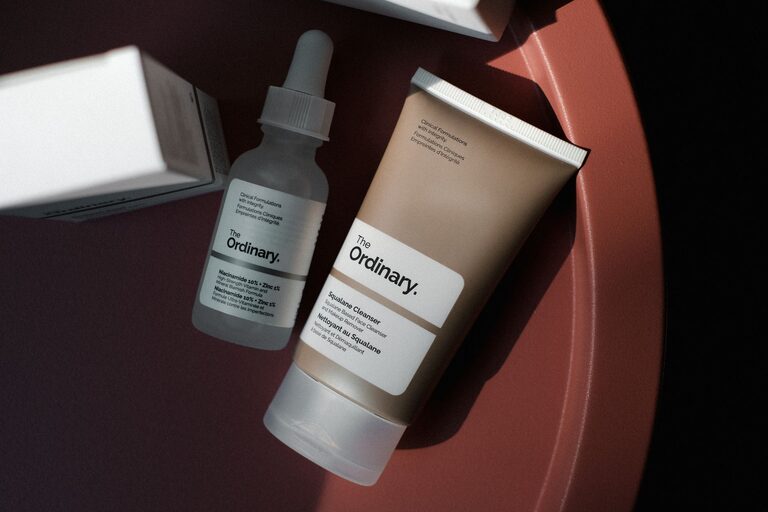
Starting a skincare routine does not have to mean buying a shelf full of products. A simple routine with a few consistent steps can help keep your skin clean, comfortable, and protected. The best routine is one you can follow regularly and adjust as your needs change.
This guide explains the basics, including which products to use, when to apply them, and how to introduce new items without making your routine complicated.
Begin With the Essentials
A basic skincare routine has three main steps:
- **Cleanse** to remove dirt, oil, sweat, and makeup.
- **Moisturize** to help keep the skin comfortable and hydrated.
- **Protect** with sunscreen during the day.
These steps are enough for many people. You can add other products later if you have a specific goal, such as improving the look of uneven texture or supporting a smoother appearance. However, starting with fewer products makes it easier to understand what works for you.
Step One: Choose a Gentle Cleanser
A cleanser removes buildup from the skin without the need for harsh scrubbing. Look for a product described as gentle, mild, or suitable for daily use.
How to choose a cleanser
Consider how your skin feels during the day:
– Dry or tight skin: Try a creamy or moisturizing cleanser.
– Oily or shiny skin: A lightweight gel cleanser may feel more comfortable.
– Combination skin: Choose a balanced cleanser that does not leave dry areas feeling tight.
– Sensitive-feeling skin: Look for a fragrance-free formula with a short ingredient list.
Wash your face with lukewarm water rather than very hot water. Apply the cleanser with clean fingertips, using light circular motions. Rinse thoroughly and pat your skin dry with a clean towel.
Most people can cleanse once in the evening and, if needed, again in the morning. If your skin feels dry or uncomfortable after washing, try using less product or cleansing only at night.
Step Two: Apply Moisturizer
Moisturizer helps reduce the feeling of dryness and supports a comfortable skin barrier. It can be useful for nearly every skin type, including oily skin.
What to look for in a moisturizer
– Gel moisturizers: Often feel light and refreshing.
– Lotions: Offer moderate moisture without feeling overly heavy.
– Creams: Usually provide richer moisture for dry skin.
– Fragrance-free options: May be a good choice if your skin is easily bothered by products.
Apply moisturizer after cleansing, while your skin is slightly damp. This can help reduce moisture loss and make the product easier to spread. Use enough to lightly cover your face and neck without leaving a thick, uncomfortable layer.
If your skin is oily, do not assume that moisturizer is unnecessary. Skipping it may leave your skin feeling tight, which can make your routine less comfortable. Instead, try a lightweight, non-greasy formula.
Step Three: Use Sunscreen in the Morning
Sunscreen is an important daytime step because it helps protect skin from ultraviolet, or UV, exposure. Choose a broad-spectrum sunscreen with an SPF of 30 or higher, and use it on exposed skin when you will be outdoors.
Apply sunscreen as the last step of your morning skincare routine. Cover commonly exposed areas such as your face, ears, neck, and the backs of your hands. Reapply as directed on the product label, especially after swimming, sweating, or spending extended time outside.
Some moisturizers and makeup products contain SPF, but they may not always be applied in enough quantity to provide full coverage. A separate sunscreen can make it easier to apply an even layer.
A Simple Morning Routine
A practical morning routine can be as short as three steps:
- Cleanse or rinse your face, depending on how your skin feels.
- Apply moisturizer.
- Finish with broad-spectrum sunscreen.
If you use makeup, allow your skincare products a moment to settle before applying it. This may help reduce pilling, which happens when products form small rolls on the surface of the skin.
A Simple Evening Routine
Your evening routine can also remain simple:
- Remove makeup and sunscreen.
- Cleanse your face.
- Apply moisturizer.
If you wear long-lasting makeup or water-resistant sunscreen, you may need a makeup remover or cleansing balm before your regular cleanser. Avoid rubbing the skin aggressively. Gentle, thorough cleansing is usually more useful than vigorous scrubbing.
Add New Products Slowly
Once you have followed the basic routine consistently for a few weeks, you may decide to add another product. Introduce only one new item at a time. This makes it easier to notice how your skin responds.
Before applying a new product to your face, test a small amount on an area such as the inside of your arm. Follow the product directions and observe the area for signs of irritation. If you notice burning, significant redness, swelling, or discomfort, stop using the product and wash it off.
Avoid adding several strong or unfamiliar products at once. A simple routine is easier to maintain and reduces the chance of overloading your skin.
Common Routine Mistakes to Avoid
A few habits can make a skincare routine less comfortable:
– Washing with very hot water
– Scrubbing too hard or too often
– Using products that leave the skin painfully tight
– Changing products every few days
– Applying too many products at once
– Forgetting sunscreen during outdoor activities
– Sharing makeup, towels, or applicators
– Using products past their recommended shelf life
Clean hands, fresh towels, and regularly washed makeup tools can also help keep your routine more hygienic.
How to Make the Routine Stick
Consistency matters more than complexity. Keep your cleanser and moisturizer where you will see them, and place sunscreen near other morning essentials. You can also create a short routine that fits your schedule rather than trying to follow a long list of steps.
Give a new routine time to become a habit. Skin can look and feel different from day to day because of weather, sleep, activity, and other everyday factors. Focus on comfort and consistency instead of expecting instant results.
If a product causes ongoing discomfort or your skin reacts strongly, discontinue it and consider asking a qualified skincare professional for guidance. With a gentle cleanser, a suitable moisturizer, and daily sun protection, you can build a straightforward foundation that is easy to maintain.