
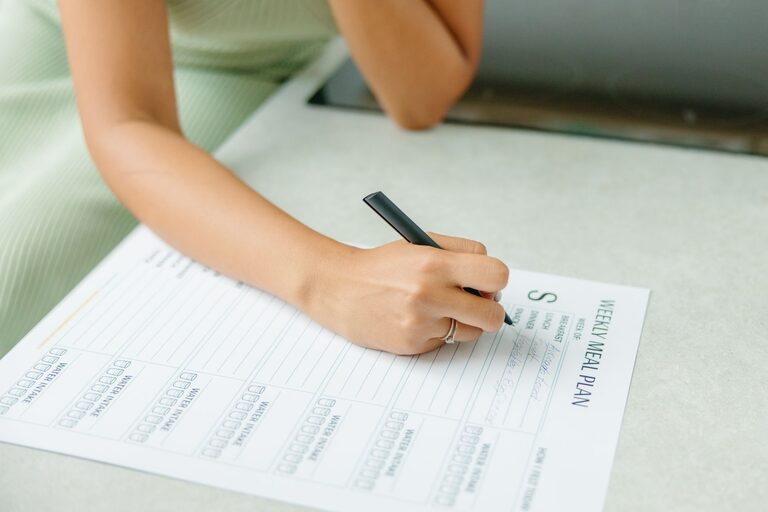
Planning meals for the week can make everyday cooking easier, faster, and more organized. Instead of deciding what to eat at the last minute, you can prepare a simple list of meals and ingredients ahead of time. A good meal plan does not need to be complicated or perfectly detailed. It should fit your schedule, preferences, budget, and cooking habits.
The key is to create a plan that is useful in real life. Leave room for leftovers, busy evenings, and changes in your routine. With a few simple steps, you can build a weekly meal plan that reduces stress and helps you make better use of the food you buy.
Start With Your Schedule
Before choosing recipes, look at the week ahead. Your schedule should guide your meal plan.
Check for:
– Work or school commitments
– Late evenings or long commutes
– Appointments and activities
– Weekend plans
– Guests or special occasions
– Days when you will eat away from home
Mark the busiest days first. Plan quick meals for those evenings, such as sandwiches, bowls, pasta, stir-fry, or leftovers. Save recipes that require more preparation for days when you have extra time.
For example, you might plan a slow-cooked meal for a relaxed Sunday and use the leftovers for lunch or dinner later in the week. This approach keeps your plan practical instead of making every day feel like a cooking project.
Choose a Simple Meal Structure
A weekly plan does not need to include a different recipe for every meal. Start with a basic structure that covers the meals you usually prepare.
You could plan:
– Seven dinners
– Five lunches
– A few breakfast options
– Snacks, if needed
Another option is to plan only dinners and keep breakfast and lunch flexible. Choose the level of detail that works best for you.
To make planning easier, use a few familiar meal categories:
– Pasta or grain-based dishes
– Soups and stews
– Sheet-pan meals
– Tacos or wraps
– Salads with a filling ingredient
– Rice or noodle bowls
– Simple sandwiches
– Breakfast foods
Repeating meal types can make planning faster. For example, Monday could be pasta night, Tuesday could be tacos, and Wednesday could be a soup or stew. You can change the specific ingredients from week to week while keeping the same general format.
Take Inventory Before Shopping
Check your kitchen before writing your grocery list. Look through the refrigerator, freezer, and pantry to see what you already have.
Pay attention to:
– Fresh produce that should be used soon
– Open packages
– Frozen ingredients
– Canned foods
– Grains, pasta, and rice
– Sauces, spices, and cooking basics
Using what you already have can reduce food waste and lower your grocery bill. It can also give you a starting point for your meals.
For example, leftover vegetables might work in a stir-fry, soup, omelet, or grain bowl. A can of beans can become part of tacos, chili, a salad, or a simple rice dish. Try to build at least one or two meals around ingredients that need to be used first.
Pick Flexible Recipes
The best weekly meal plans use recipes that are easy to adjust. Flexible meals allow you to change ingredients based on what you have available.
Look for recipes that can use:
– Different vegetables
– Several types of grains
– Beans, eggs, poultry, fish, or other main ingredients
– A variety of sauces or seasonings
– Fresh, frozen, or canned ingredients
A basic stir-fry, for example, can be made with many combinations of vegetables and a choice of rice or noodles. A grain bowl can use different toppings, sauces, and proteins. A soup can often be adjusted depending on the vegetables and pantry ingredients available.
Flexible recipes are especially useful when a grocery item is unavailable or when you have more leftovers than expected.
Balance Easy and More Involved Meals
Avoid planning seven complicated dinners. That can make the week feel difficult before it even begins.
Instead, include a mix of meal types:
– Two very quick meals
– Two meals that use leftovers
– One make-ahead meal
– One meal that requires more preparation
– One flexible or clean-out-the-fridge meal
Quick meals can include scrambled eggs with toast, sandwiches, prepared soup with a side, or pasta with vegetables. Make-ahead meals might include chili, roasted vegetables, cooked grains, or a casserole.
A clean-out-the-fridge meal helps you use small amounts of food before they spoil. It could be a frittata, fried rice, soup, pasta, or a mixed salad.
Plan for Leftovers
Leftovers can save time and reduce the amount of cooking you need to do. When choosing recipes, think about how extra portions can be used later.
For example:
– Roast extra vegetables for lunches
– Cook additional rice for bowls or fried rice
– Use leftover chicken in wraps or salads
– Turn extra beans into tacos or soup
– Prepare more pasta for a quick second meal
Store leftovers in clearly labeled containers and place them where they are easy to see. If you know you will not eat something soon, freeze it when appropriate.
You can also plan a specific leftover night. This keeps extra food from being forgotten and gives you a break from cooking.
Create an Organized Grocery List
Once your meals are chosen, write a grocery list based on the ingredients you need. Group the list by store section to make shopping faster.
Useful categories include:
– Produce
– Meat, seafood, eggs, or other main ingredients
– Dairy and refrigerated foods
– Grains and bakery items
– Canned and packaged foods
– Frozen foods
– Pantry staples
Check your inventory as you write the list so you do not buy items you already have. Be specific about quantities when possible. Instead of writing “vegetables,” list the vegetables and approximate amounts needed for the recipes.
It can also help to add a few backup ingredients for quick meals, such as bread, eggs, canned beans, frozen vegetables, or pasta. These items can be useful when your plans change.
Keep Preparation Simple
You do not need to spend an entire day cooking to prepare for the week. Even 30 to 60 minutes of preparation can make meals easier.
Consider doing a few basic tasks:
– Wash and cut some vegetables
– Cook a batch of rice, grains, or pasta
– Prepare a simple sauce or dressing
– Portion snacks
– Marinate an ingredient
– Move frozen items to the refrigerator when needed
Do not prepare foods too far in advance if their quality may decline. Some ingredients, such as cut fruit or leafy greens, may be better prepared closer to the day you plan to eat them.
The goal is to make cooking easier, not to create another demanding chore.
Leave Room for Changes
A meal plan should be flexible. Unexpected events, schedule changes, and different appetites are normal.
Use a simple backup plan for busy days. Keep a few quick ingredients available, such as:
– Canned soup
– Frozen vegetables
– Eggs
– Tortillas or bread
– Pasta
– Canned beans
– Rice
– Easy-to-prepare sauces
You can also switch meals between days. If you planned a longer recipe for Tuesday but have less time than expected, move it to Wednesday and prepare something quicker instead.
Review Your Plan Each Week
At the end of the week, take a few minutes to review what worked.
Ask yourself:
– Which meals were easy to prepare?
– Did you buy too much food?
– Which ingredients were left unused?
– Were the portions suitable?
– Did you have enough quick options?
– Which meals would you make again?
Use your answers to improve the next plan. Over time, you will build a collection of reliable meals and grocery lists. Meal planning becomes faster when you know which recipes fit your household and schedule.
A simple weekly meal plan should make life easier, not demand perfection. Start with a few meals, use ingredients you already have, and include plenty of flexibility. With a realistic plan and an organized grocery list, you can spend less time deciding what to cook and more time enjoying your meals.