
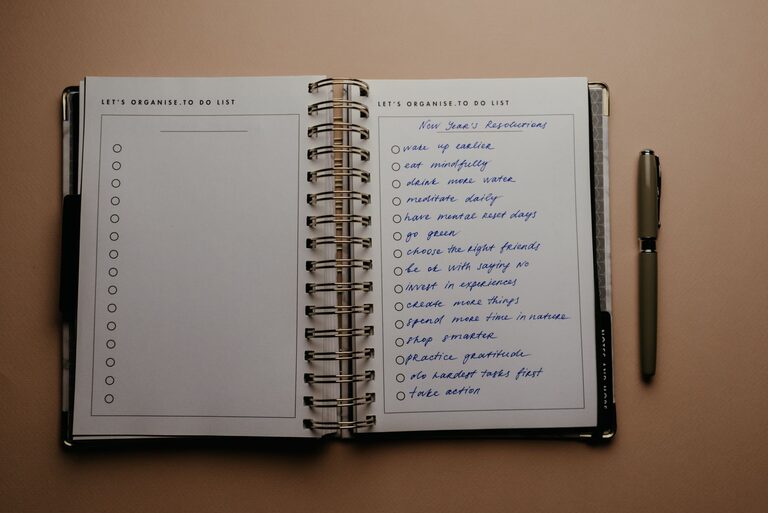
Building a habit is less about making a perfect plan and more about creating a system you can follow on ordinary days. Habit tracking can help you see your progress, understand your patterns, and stay focused when motivation fades.
Whether you want to read more, exercise regularly, reduce screen time, or make time for a personal project, a simple tracking method can make the process clearer and more manageable.
Start With One Clear Habit
A common mistake is trying to change too many behaviors at once. A long list of goals may feel exciting at first, but it can quickly become difficult to maintain. Begin with one habit that matters to you and define it clearly.
Instead of writing “be healthier,” choose a specific action such as:
– Walk for 15 minutes after lunch
– Drink a glass of water after waking up
– Prepare tomorrow’s clothes before bed
– Read five pages each evening
– Spend ten minutes organizing your workspace
A clear habit is easier to remember and easier to track. It also gives you a better way to decide whether you completed it.
Focus on Actions, Not Outcomes
Some goals depend on factors outside your control. For example, you can control how often you practice a skill, but you cannot guarantee a specific result by a certain date.
Track the action that supports the outcome. “Write for 20 minutes” is more useful than “finish a book.” The first behavior is something you can complete today, while the second may take weeks or months.
Choose a Tracking Method You Will Actually Use
The best tracking system is one that fits naturally into your daily life. A complicated system may look impressive but become difficult to maintain.
Here are several simple options:
Paper Calendar
Mark an X on a calendar each day you complete your habit. This method is quick, visible, and easy to understand. Seeing several completed days in a row can provide a helpful sense of progress.
Notebook or Journal
Use a small notebook to record the habit, date, and any useful notes. You might write:
– Completed or not completed
– How long you practiced
– Your energy level
– What helped or got in the way
A notebook is especially useful when you want to notice patterns, not just count completed days.
Phone Reminder or App
A reminder can prompt you to act at the right time. Some habit apps also show streaks, weekly summaries, and completion rates. Choose an app with features you find useful rather than one that adds unnecessary work.
Simple Checklist
A checklist can be part of a daily planner, notes app, or task manager. Keep it short and place it somewhere you will see it regularly.
Make the Habit Easy to Begin
Consistency becomes easier when the first step requires little effort. Prepare your surroundings so that the desired action is convenient.
For example:
– Put your book beside your bed
– Keep workout shoes near the door
– Place a water bottle on your desk
– Open your writing document before ending your workday
– Store healthy snacks where they are easy to see
You can also create a smaller version of the habit for busy days. If your usual goal is to exercise for 30 minutes, your minimum version might be stretching for five minutes. If you want to read for 20 minutes, read one page when time is limited.
The smaller version is not a replacement for your full goal every day. It is a way to keep the routine familiar when your schedule changes.
Connect New Habits to Existing Routines
A new habit is easier to remember when it follows something you already do. This approach is sometimes called habit linking.
Use a simple structure:
After I [existing routine], I will [new habit].
Examples include:
– After I make coffee, I will review my top priority
– After I brush my teeth, I will prepare for the next day
– After I finish lunch, I will take a short walk
– After I sit at my desk, I will write down the first task
The existing routine acts as a reminder. Over time, the new behavior can become a natural part of the same sequence.
Track More Than Streaks
Streaks can be motivating, but they are not the only way to measure progress. A missed day does not erase the work you have already completed.
Consider tracking:
– Total completions each week
– The number of days you practiced
– The amount of time spent
– How often you returned after a break
– Improvements in your planning or awareness
A weekly completion rate can be more realistic than expecting perfection. For example, completing a habit five days out of seven may be a strong result, especially if your schedule changes often.
Use the “Never Miss Twice” Rule
Missing one day is normal. Missing several days can make it easier to abandon the habit completely. If you skip a planned action, aim to return at the next reasonable opportunity.
Avoid trying to “make up” for a missed day with an extreme effort. Simply restart with the next small step. The goal is to keep returning, not to punish yourself for being imperfect.
Review Your Progress Each Week
A short weekly review can turn habit tracking into a learning process. Set aside a few minutes to answer questions such as:
– What went well?
– When was the habit easiest to complete?
– What interrupted the routine?
– Was the habit too large or too vague?
– What change would make next week easier?
Look for practical adjustments. If you planned to exercise after work but often felt tired, try exercising in the morning or taking a short walk during lunch. If you forgot to practice, add a reminder or connect the habit to an existing routine.
A habit that repeatedly fails may need to be redesigned, not abandoned.
Plan for Difficult Days
Consistency does not mean following the same schedule under every circumstance. It means having a way to continue when conditions are less than ideal.
Create a backup plan in advance:
– If you cannot complete the full workout, stretch for five minutes
– If you cannot write at your usual time, make a few notes
– If you cannot clean the whole room, clear one surface
– If you cannot follow your normal routine, complete its smallest useful step
You can also identify common obstacles, such as travel, late meetings, poor weather, or a busy family schedule. Decide ahead of time what you will do in those situations.
Keep Your System Simple
Habit tracking should support your routine, not become another task to manage. Use the fewest tools needed to stay aware and accountable.
A simple system might include:
- One clearly defined habit
- One reminder
- One daily check mark
- One weekly review
As your routine becomes stable, you can add another habit if you have enough time and attention. Add changes gradually so you can learn what works before expanding your plan.
Build Consistency Through Awareness
Habit tracking is valuable because it makes invisible patterns easier to see. It can show when you are most likely to complete a habit, what obstacles appear repeatedly, and which adjustments improve your results.
The aim is not to create a flawless record. The aim is to make useful actions easier to repeat. Choose a habit that matters, track it with a method you will use, keep the starting step small, and return quickly after setbacks.
Over time, those ordinary actions can become a dependable part of your daily routine.